The 20th Annual Pleasantville Music Festival
Pleasantville Music Festival, 48 Marble Avenue, 10570 Pleasantville Directions
Sat 11.07.2026 12:30
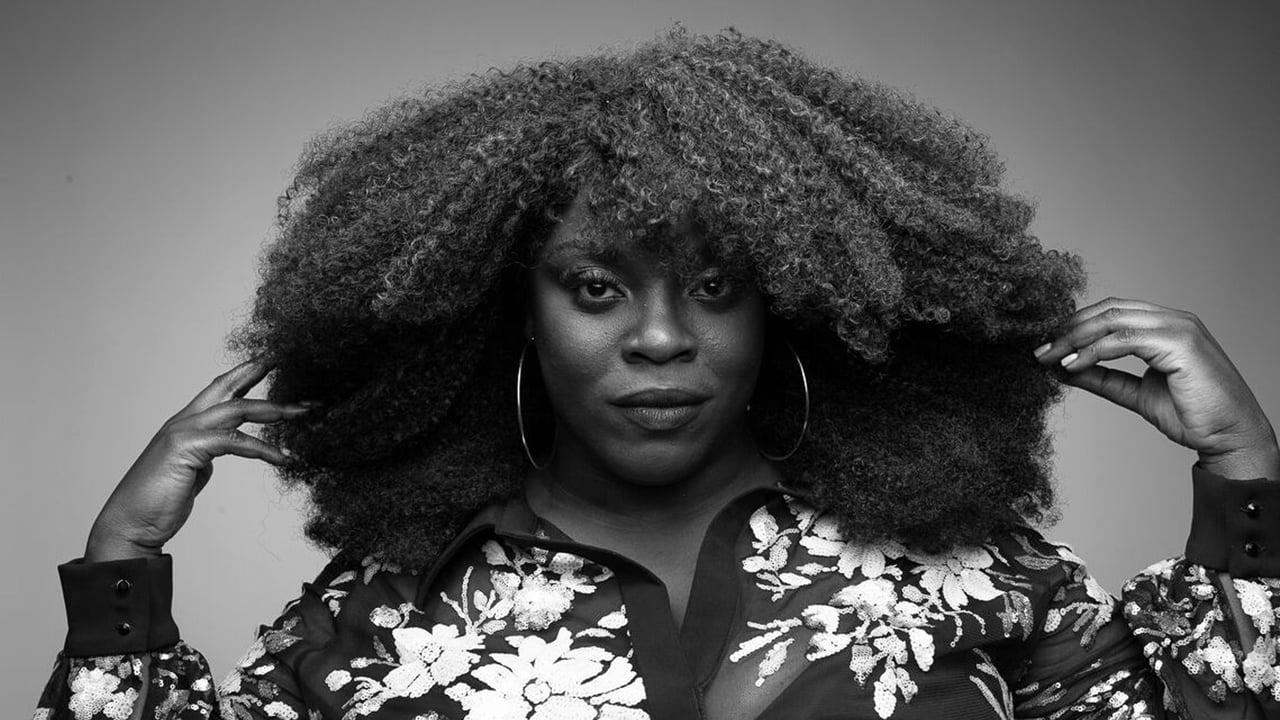
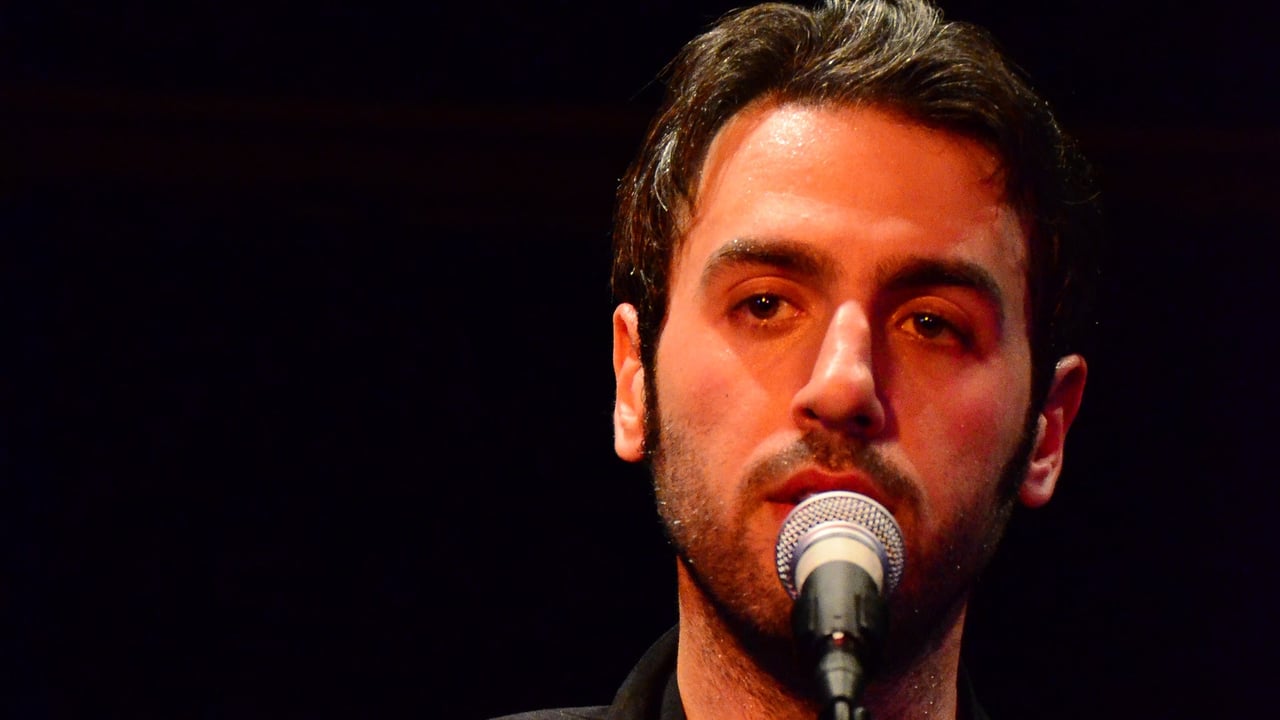
Its the 20th Annual Pleasantville Music Festival, sposered by Northwell Health. Join us on July 11th at Parkway Field, in Pleasantville, NY for 14 music acts on three stages.Headlining on the Main Stage for 2026 will be OK Go. Appearing earlier in the day will be Old 97s, The Fixx, The Vindys, and The Speakers. Over on the Pamnation Party Stage, catch this years headliner, The Thing. Performing earlier will be Round Trip w/Lara Cwass, Two Man Giant Squid, and Similar Kind.In the cool of the Chill Tent Yola, who will close out that stage preceeded by performances from Dream Street, Ari Hest, and Way Behind the Sun. Beginning at 12:30pm on the Chill Tent Stage, the Festival will officially kick off with a set for kids from Robert The Guitar Guy.Enjoy food, beer, wine and cider, vendors of all kinds, and plenty of rides and activities in the Kids Fun Zone. You can bring your own food if you wish,(though with so much great food variety at the Festival, you may not want to) but note: ALL ALCOHOL MUST BE PURCHASED AT THE FIELD. YOU CAN NOT BRING IT IN!Gates open at 11:30am with the music starting at 12:30pm. Park for free at nearby Pace University and take the short shuttle ride to the field. Unless you have reservations in Tent City, leave your tents or large umbrellas home. They are not permitted.For more information, visit our website: www.PleasantvilleMusicFestival.comOTHER THINGS TO BE AWARE OF:-Children 11 and under are admitted free! (Must be accompanied by a ticketed adult.)-The Pleasantville Music Festival is a zero-waste festival. Please bring your refillable water bottle!-Ticket prices will increase as we get closer to the festival date.-Line-Up and Schedule subject to change without notice-Attendees understand and agree that by attending, their images could appear in advertisements used to promote the Pleasantville Music Festival.
Performers
-
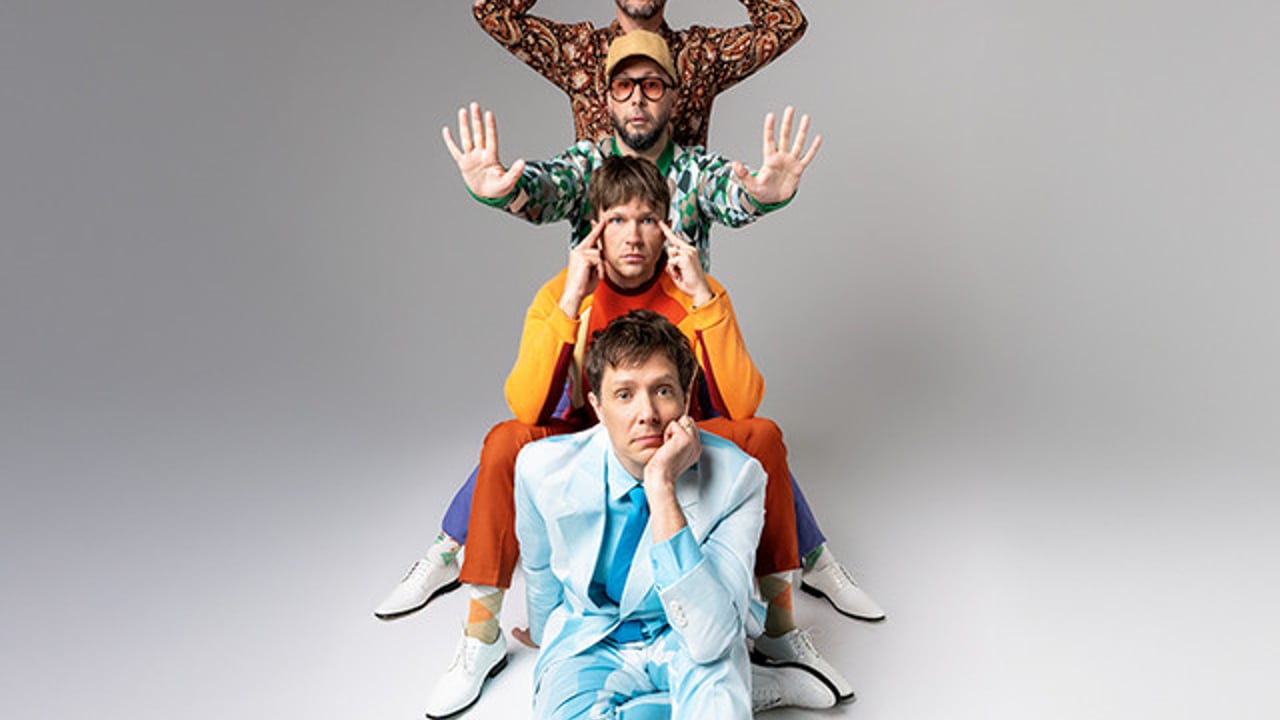 OK Go
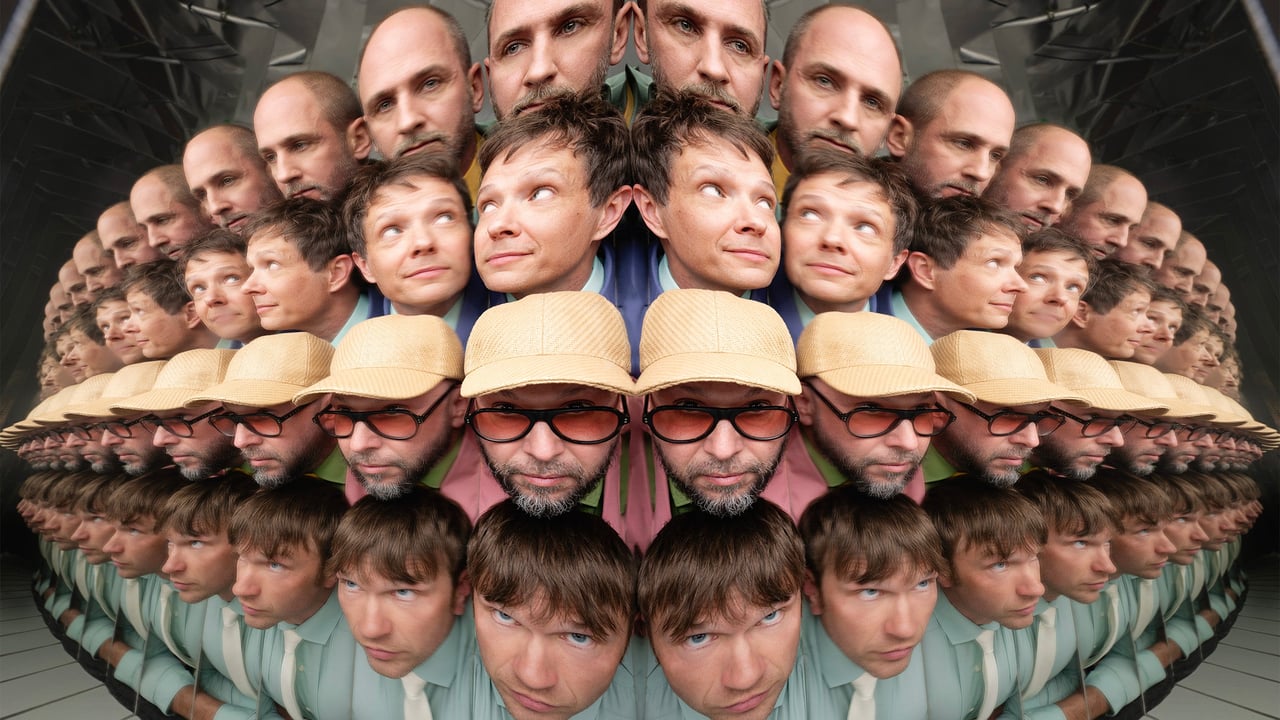
OK GoSince their inception OK Go has been something more than a band and something different from an art project. With a career that includes award-winning videos, New York Times op-eds, collaborations with pioneering dance companies, tech giants, NASA, animators and Muppets, and an experiment that encoded their music on actual strands of DNA, OK Go continue to fearlessly dream and build new worlds in a time when creative boundaries have all but dissolved. Formed as a quartet in Chicago in 1998 and relocated to Los Angeles three years later, OK Go (Damian Kulash, Timothy Nordwind, Dan Konopka, Andy Ross) have spent their career in a steady state of transformation and continue to add to a curriculum vitae filled with experimentation in a variety of mediums. OK Go’s work is in the permanent collection of MoMA, and their achievements have been recognized with twenty-one Cannes Lions, twelve CLIOs, three VMAs, two Webbys, The Smithsonian Ingenuity Award, and a Grammy.
-
Old 97's
Since the Old 97's roared out of Dallas more than fifteen years ago, they have blazed a trail through alt-country and power-pop, led by the piercingly observant lyrics of lead singer Rhett Miller. Each new Old 97’s record is hotly anticipated, and rightfully so: “Blame It On Gravity,” from 2008, contained some of the band’s most deeply felt and passionately played songs. But in a career full of high-water marks, "The Grand Theatre Volume 1" is perhaps the most ambitious and accomplished set of recordings yet.
The album, the band’s eighth, began to come together last year, when Miller was on a solo tour of Europe with Steve Earle. “When I started in this band, I wrote on the road constantly,” Miller says. “But I was 23 then, so everything was new to me. Over the years, those strange and wonderful things have begun to feel more commonplace. On the familiar highways, in familiar hotels, it’s pretty easy to turn into a zombie. But on this tour, I was in England and Ireland and Scandinavia, places where I haven’t spent very much time in, and because of that things seemed somehow fresh. I felt recharged. In these old British theaters, you sit around in ancient dressing rooms filled with these objects that could only be in these ancient dressing rooms. It was all very inspiring instead of tiring.”
The result was a set of songs rooted in specific locations. "The title track, which I wrote in Leeds, is like a series of postcards that try to capture the moment of falling in love; it begins in the Grand Theatre, which is a historic venue there, on the elevator. There’s another song, 'Every Night Is Friday Night (Without You),' that I wrote, or at least started to write, while I was walking around in Soho. And a song like ‘The Dance Class’ wouldn’t have happened if I wasn’t in Birmingham, trapped in a hotel, looking out at streets that were bleak and gray except for a dance studio across the way. I imagined an agoraphobic who sees a beautiful girl in that studio and fantasizes about being freed by her." Miller’s portraits of love and loneliness are paired with some of the sharpest music the band has ever produced, from the propulsive celebration of “Every Night Is Friday Night (Without You)” to the manic (and almost panicked) energy of “The Dance Class.” There are also moving counterpoints, such as the album’s closer, “The Beauty Marks,” a stark, hushed ballad about a love affair in a London pub.
Even the songs written on this side of the Atlantic benefit from the same sense of charged observation. "There’s an anthem on there, 'A State of Texas,' that I wrote in New York,” Miller says, “and it’s specifically about not quite being home: the lyrics says ‘I’m living in a state of Texas’, not the state of Texas’.’
When Miller had his songs, he brought them to the rest of the band, and as usual, the Old 97s—the bassist Murry Hammond, the guitarist Ken Bethea, and the drummer Philip Peeples—rose to the challenge and then some. “I’ve been through this process many times—bringing my songs to the guys as we start to make a record-- and I know they're going to do something great with them. I'm still surprised to hear what they do, but I'm no longer surprised to be surprised. But there are so many fantastic things on this record, from a band standpoint. Murry's basslines stray so far from the one-four alt-country style that he's known for. They're things that he might have played in our previous band, Sleepy Heroes, eighteen years ago, but he hasn't, for the most part, done it on Old 97's records."
The set was produced by Salim Nourallah, who also produced “Blame It On Gravity,” and once again it was an all-Texas affair. The band rehearsed the album in Dallas, at Sons of Hermann Hall, and recorded it—mostly live in the studio, with a minimum of overdubs—in Austin's legendary Treefort studio. The richness and diversity of the album has led Miller to liken the record to the Clash's legendary "London Calling," a comparison he says is only half-flippant. "We had a running joke in the studio. Salim would say 'Hey -- that was great. Now try to do it more like the Clash.' We aren't the Clash, obviously, but that kind of direction does bring out some of the best parts of our band's sound, that aggressive live rock-and-roll thing. There's also a question of artistic freedom, and what 'London Calling' meant to them at that point in their career. After the first albums, they had a little bit of leeway to do something more grandiose. We're in a similar place in our career. We've gotten critical approval, for what it's worth. We have the loyalty of our fans. Now, we can do something bigger and weirder."
Much of that weirdness comes from the band. "I come in with my songs,” Miller says, “but I really pride myself on being able to change on a dime when we're in the studio. Someone might suggest doing a song faster, or slower, or with a train beat. I'll try it, and then I'll listen to it new. It's a great process, because a song that was floundering can be the best song once it goes through that process. When I first wrote 'Every Night Is Friday Night,’ it was a more traditional party song, and it wasn’t completely successful. I was singing, or thought I was singing, ‘Every night is Friday night with you.” But then Ken, who is the last person to even notice lyrics much less suggest a lyrical change, said that he had originally heard it as 'Every night is Friday night without you.’ He wondered if it might be better that way, less predictable, and it was."
One song that depended upon predictability was "Champaign Illinois," which is a straightforward rewrite of old composition -- and not one of the band's own. It fits a set of new Miller lyrics to Bob Dylan's epochal "Desolation Row,” and the experience of putting the song on the record was, even for hardened rock-and-roll veterans, an eye-opener. "I had written this song while I was listening to the Dylan song, obviously,” Miller says. “But I assumed we’d never be able to record it. Then, while we were making the record, we decided to go for it.” Phone calls were made, and more phone calls after that, and word finally came back that Dylan, who had heard a live version of the song, wanted to read the lyrics. “To hear my manager say, even in a flat business voice, 'Bob Dylan likes what he heard and wants to read your lyrics,’ well, that was something you dream about,” Miller says. “It turned out that he liked our version so much that he wanted to split the publishing 50/50 with us. So that’s how I ended up writing a song with Bob Dylan. I’ve never been prouder, and I assume he feels the same.”
Though Miller is frequently funny and self-deprecating, the “Volume 1” of the title is not a joke. "I came back from the trip with more than two dozen songs," Miller says. "I kept thinking we would whittle the set down, but it became obvious that none of the songs were falling by the wayside.” That meant, for the first time in the band’s career, that the Old 97s would record a double album. “But how do you really have a double album in today's climate?” says Miller. “I mean, think about how records are distributed and consumed." The solution was not a traditional double album (as it would have been in the seventies or eighties) or two albums released simultaneously (as it would have been in the nineties), but rather a pair of thematically linked records released six months apart: “The Grand Theatre Volume 2” is due out in May 2011.
The same themes — place and displacement, communication and correspondence—power the second volume as well. “If anything, they’re a little more explicit on the there,” Miller says. “But that idea, that songs come from somewhere, is strong on both halves of the record. It's funny, because when I'm on stage and I feel myself drifting away, I bring myself back to the moment of writing the song. With the Grand Theatre songs, I was much more compulsive about marking down exactly where I was when the idea came to me. I think that makes for a unified studio record, and it definitely makes for a more focused set of performances onstage.” American audiences will have a chance to experience the band’s focus through the fall: the Old 97s are touring behind “The Grand Theatre Volume One” from December until next April, at which time the touring for “The Grand Theatre Volume Two” will begin.
-
The Fixx
The Official Facebook page of The FIXX