Pohoda Festival 2026 @ Trenčín Airport / Letisko Trenčín
Trenčín Airport / Letisko Trenčín, Letisko Trenčín, 911 01 Trencin Directions
Wed 08.07.2026 00:00
Pohoda Festival 2026 at Trenčín Airport
Performers
-
Gorillaz
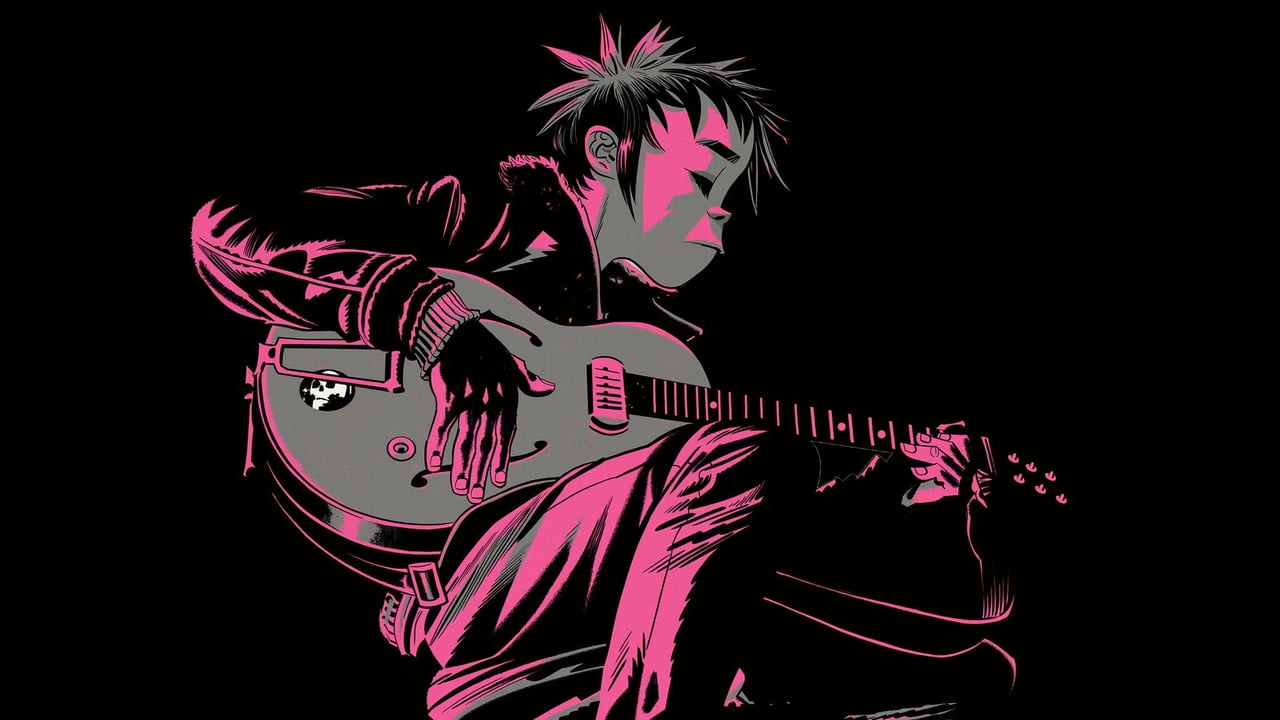
Gorillaz is a British pop band created in 1998 in London, England, as the creative brainchild of musician Damon Albarn and graphic artist Jamie Hewlett. The band consists entirely of fictional members, with Albarn and various guests creating the band’s music.
-
 The Cure
The Cure are a band formed in 1976 hailing from Crawley, West Sussex, in the United Kingdom. Fronted by lead singer and songwriter Robert Smith, they came from the post-punk scene of the early 80’s to become one of the biggest and most influential bands in modern rock.
-
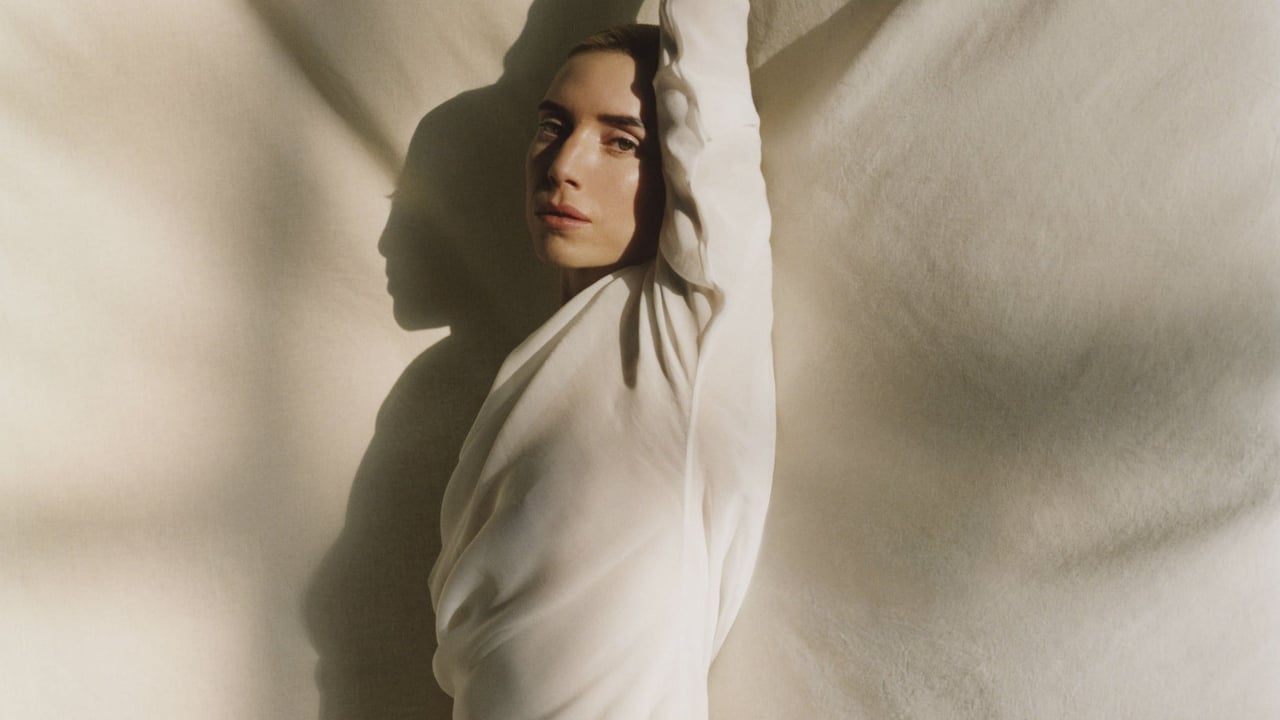 Lykke Li
LUCKY AGAIN OUT NOW
THE AFTERPARTY OUT MAY 8TH
-
The Prodigy
Rising out from Essex, UK, The Prodigy have become one of the biggest electronic acts for over the past 20 years.
-
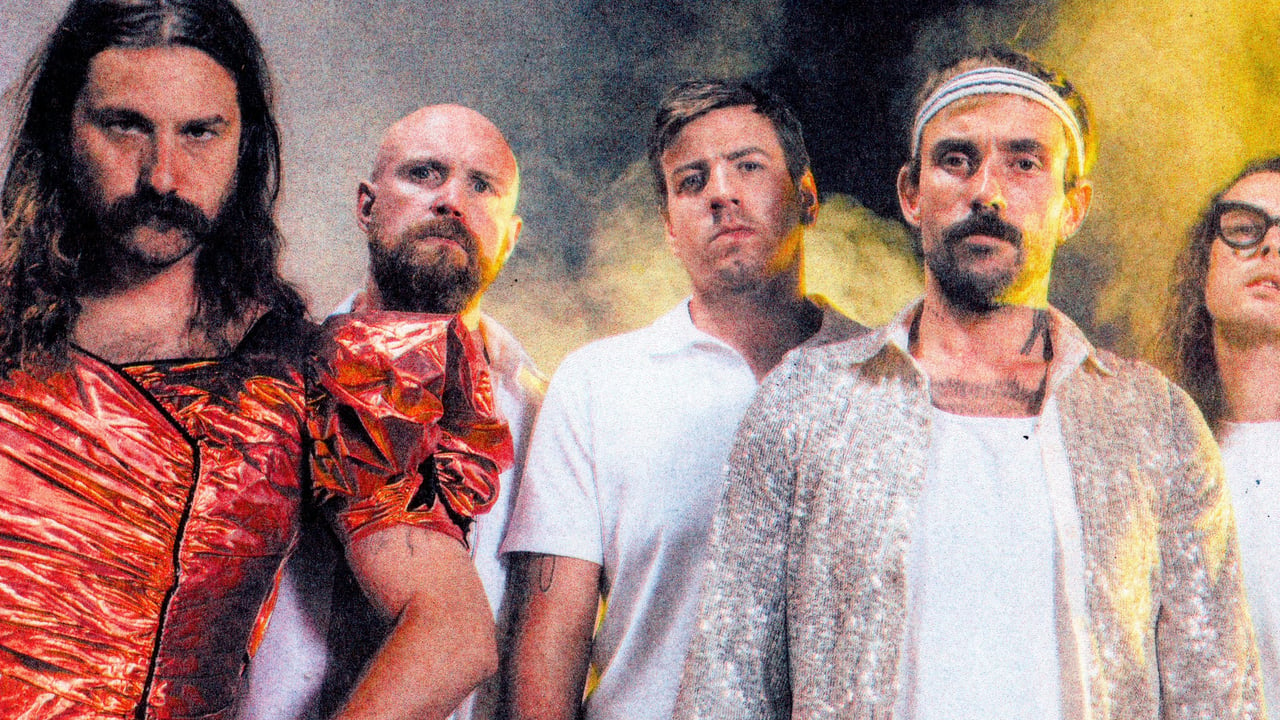
IdlesTANGK. I needed love. So I made it. I gave love out to the world and it feels like magic. This is our album of gratitude and power. All love songs. All is love. The new album out now - https://idles.lnk.to/tangk
-
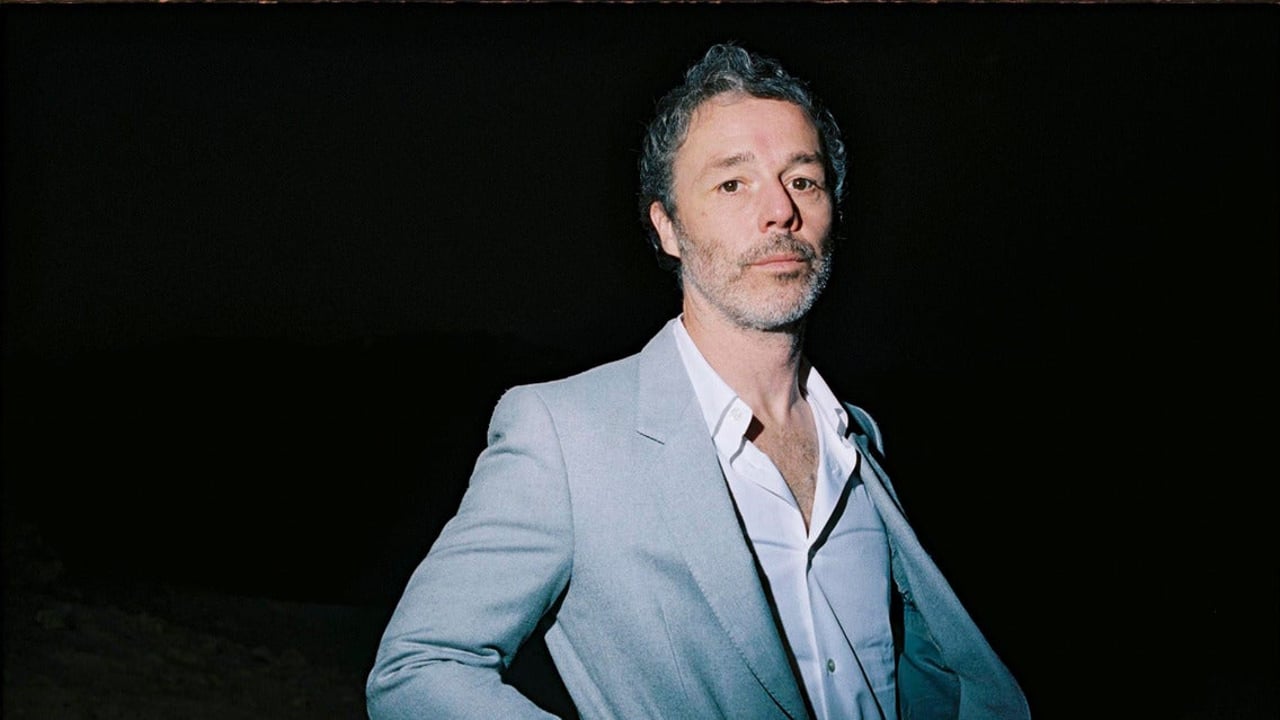 Baxter Dury
Son of legendary vocalist, Ian Dury, Baxter Dury (born November 8th, 1972) has crafted a career of his own, offering psychedelia-infused indie rock that has found a strong cult following and critical praise.
-
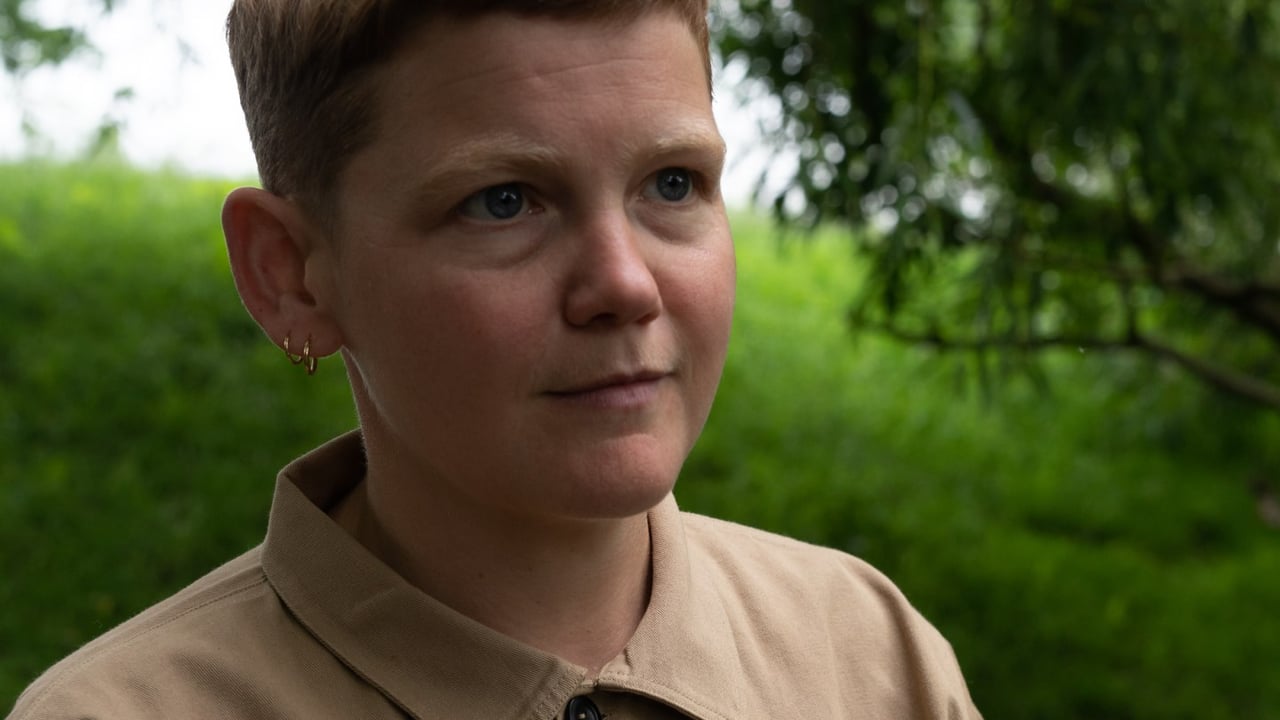 Kae Tempest
RA: Resident Advisor
-
Maruja
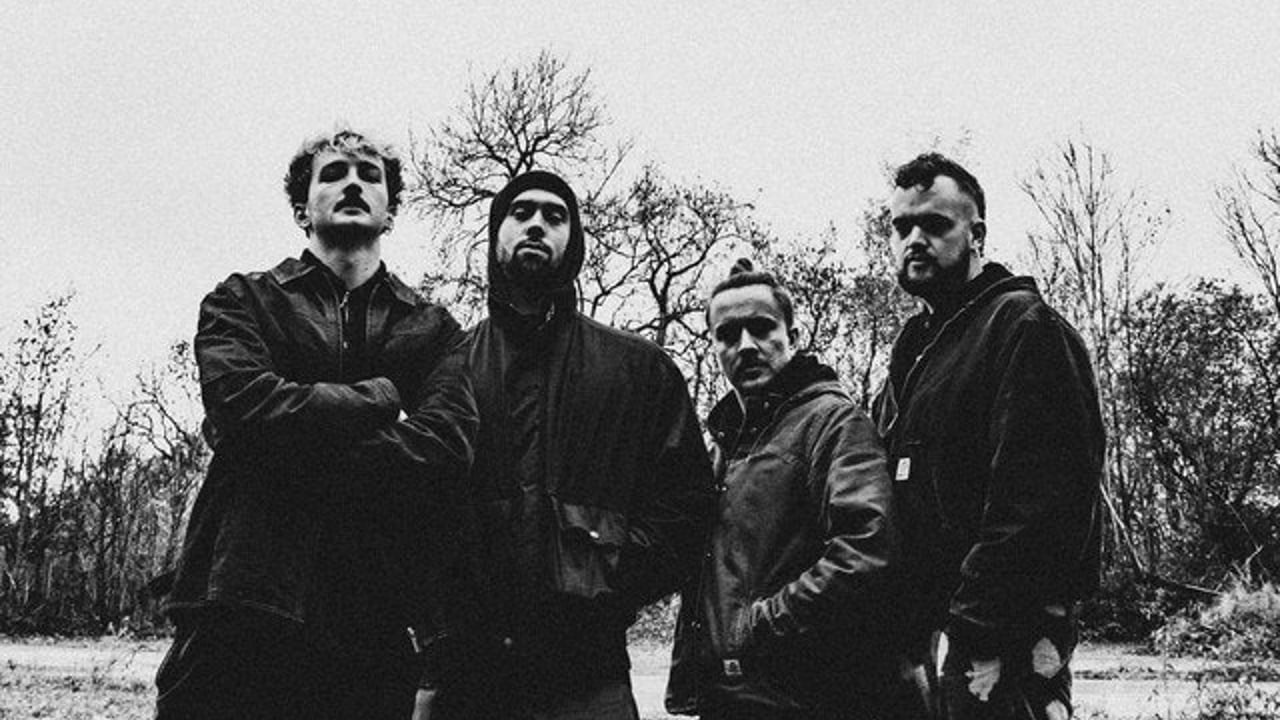
Artists in the truest sense of the word, Maruja’s ferocious combination of punk, harsh noise, and transcendent cosmic jazz is fast marking them out as one of the most exciting new acts in the country. The years spent relentlessly honing their craft are paying off in style, driven not just by passion but rather an all-consuming need to create and perform with a visceral intensity, they are both electrifying and terrifying.
Anyone who’s seen a Maruja show will know what drummer Jacob Hayes means when he talks about an atmosphere that’s “both feral and loving.” Maruja gigs are a spiritual experience – free-flow jams of uncategorisable music. Punk meets free jazz, with lyrics, rooted in rap, that are all about the message; vicious guitar loops, psychedelic bass, transcendent saxophone – and a voice, in Harry Wilkinson, that stretches from a Manchester version of Zack de la Rocha, to a call to prayer.
Their long-awaited debut album Pain to Power captures those moments in live performance when, as Jacob puts it, “things move to another level – the flow state”. The band compose in a unique way: their music is largely improvised, and they bring their personal feelings into every jam – so it was natural that contemporary politics bled into their songwriting. “Trump came in on 20 January, slap bang in the middle of our recording process,” says saxophonist Joe Carroll; and the band have followed the conflict in Gaza with grim attention, resulting in (as bassist Matt Buonaccorsi puts it) “that combination of heavy tragedy and hope. This is a tragedy that’s beyond horrific, it’s so oppressive that hope itself seems impossible to find.”
This cycle of tragedy and hope is there at the heart of Pain to Power. “It starts off brutal and turns into something powerful and expressive,” says lyricist, rapper and singer Harry. “We have to trust in that circle of life, and in our power to overcome pain.” The album follows the arc of a live show: an onslaught of energy, arriving at a place of transcendence, the music itself “rising from the ashes”.
Some of the most political music is the least prescriptive. At their heart, Maruja fight against an increasingly individualistic society. At the end of every show, Harry repeats the same mantra: “We wish you peace, prosperity and unity in these times of global oppression. Together we are stronger, please raise a fist for solidarity”. Everyone joins in, he adds.
Pain to Power was put together in an astonishingly short time – just two months, at the start of this year – and was produced by Samuel W Jones, already expert at giving Maruja records the feel of the crowd that wasn’t there.
The lead single Look Down On Us is a hair-raising critique of late-stage capitalism, morphing into a poignant meditation on the need for hope fuelled by plaintive sax.
The ferocious Bloodsport (“Complicit! Crossfire! No Vision! Live wire!”) was finished in just two hours. The song started with a guitar loop and a pounding drum roll, but the boys realised it had the same BPM as many of the records in their vast drum and bass collection: “so this is drum and bass through a punk filter.”
Harry almost raps, even talking about the record, his words coming in a rhythmic flow of energy. Maruja have always been acutely aware of mental health, and Bloodsport takes world events and examines their corrosive effect on the individual: “We're swallowing our fears till our kids are overdosing… I'm an addict addicted to my bad habits…”
“How does someone feel when they have no power?” Harry says. “All they want to do is find a little bit of dopamine to release them from the oppressive cloud that hangs over their head. All of these narratives coalesce into mental health crises. How are you going to pull yourself out of that? It takes courage to try and find inner peace, to recognise our own flaws…”
Pain to Power identifies the frustrated energy of a disengaged populace, and of people who want to protest but are finding it harder and harder in the current climate. On a recent American tour, the band spoke with fans who have taken to wearing balaclavas on peaceful demonstrations, afraid of arrest and deportation.
Maruja have a strong message of spirituality and talk about it with an understanding that recalls John Coltrane and other jazz giants of the past. It is a sentiment captured in Born To Die (“We are universal spirits and our kingdom is this earth,”) which whirls into a storm of cymbals and industrial feedback.
“Music itself is healing,” says Harry, “and we should help other people in a culture that is very repressed. The only spiritual things left in the world are music and love. Spirituality is ridiculed – people would rather believe in nihilism, which shows how disconnected we are.”
The tension of Pain to Power – the rage that informs those heavy opening songs – is repeatedly built up and broken by sonics reproducing the euphoria at the end of Maruja shows.
Zaytoun, with its vocal cries like seagulls, is a fully-improvised free-jazz piece, named after the Arabic word for olive tree: a symbol of peace and resilience with connection to the land that is deeply rooted in Palestinian culture. “That’s what our jams are,” says Joe. “Coming together to release this energy. We can’t do it by ourselves, so it symbolizes our unity.”
Saoirse, meaning ‘freedom’, and inspired by the band’s own Celtic roots, is a showcase for sax and strings. This remarkable track looks at the ties between Ireland and Palestine, epitomised in the Irish protest slogan “Saoirse don Phalaistin”. Among his grandfather’s possessions in Sligo, Joe found a decades-old comic strip depicting a “Black and Tan” Irish soldier boarding a boat to Palestine. Lyrically the song speaks to the power of unity to combat division with frontman Harry Wilkinson’s deeply moving mantra: 'It’s our differences that make us beautiful’.
The exquisite nine-minute opus Reconcile, with an entrancing polyphonic interlude and a story all of its own in the drums, is about embracing love, being at peace with the cycle of destruction. “The hatred will always come,” says Joe. “Embracing love is the overall message.”
The shuddering metal of Trenches was inspired by one of Maruja’s regular messages to fans before gigs: “See you in the trenches!” The song is a nod to the band’s personal story – and to their belief in the power of music to effect change: “We use those words, see you in the trenches,” says Joe, “because the message of the band is about community – trying to make a difference.”
Does he think Maruja can make a difference?
“Yes. Music used to be a superpower – Marvin Gaye, Nina Simone, all these artists were speaking to the Black Power movement, and music was at the height of culture. The world is crying out, especially on the left, for people to build from a place of community. For years it’s been your solo artists, your Ed Sheerans – but to have a band, a community… We see it at the shows, the countless personal stories we’ve heard.”
Maruja don’t hide their political feelings at gigs, but they have to be increasingly subtle at US shows at the moment; in Washington recently, Harry spoke about a kakistocracy – being governed by those who are unfit to lead.
“We have to be careful about the way we put things, in order to reach as many people as possible. It’s strange when you have world leaders out there committing atrocities and there are no consequences at all! But if it’s harder to say stuff, it means it needs saying more than ever…
Their music, their very dynamics, speak loud enough: and the four-way friendship at the heart of the band is a metaphor for the kind of unity they’re seeking.
Matt and Harry studied music and performance together in Manchester, before Harry transferred to electronic music production. In their early days, Maruja sounded as funky as Parliament. Joe pushed it further into jazz territory when he brought his sax into the picture: his playing can bring to mind the mesmerising loops of Sufi music.
As for the jazz references, they have no training. It is more of an attitude, they say – a sense of possibility and freedom. “Jazz is having no boundaries,” says Harry, “and being completely free to express yourself. There is no formula, no rules. It comes from us loving what we do. We could improvise together all day and have the best day of our lives.”
“It’s about the energy of letting yourself go, something you can only achieve when you have been at it for prolonged hours,” Jacob adds. “You have to be really comfortable with one another emotionally so you can allow your unconscious to take over. We go into a trance-like state when we’re playing – an hour goes by, and you have no sense of time.”
“When we play, it’s always to do with getting things out that have been trapped in us,” says Harry. “Whether it’s war across the sea, relationships, society’s pressures – it’s always like you’re relieving some kind of pain. It’s about not being afraid of being vulnerable on stage, completely letting yourself go. People can see how free you are. I never felt as free in my life as I do on stage, jamming with the boys.”
“killer from front to back and I can’t wait for these guys to get into album mode….when these guys eventually go into full record mode, it’s going to be incredible” – Anthony Fantano
“will leave listeners breathless but begging for more” – DIY Magazine
-
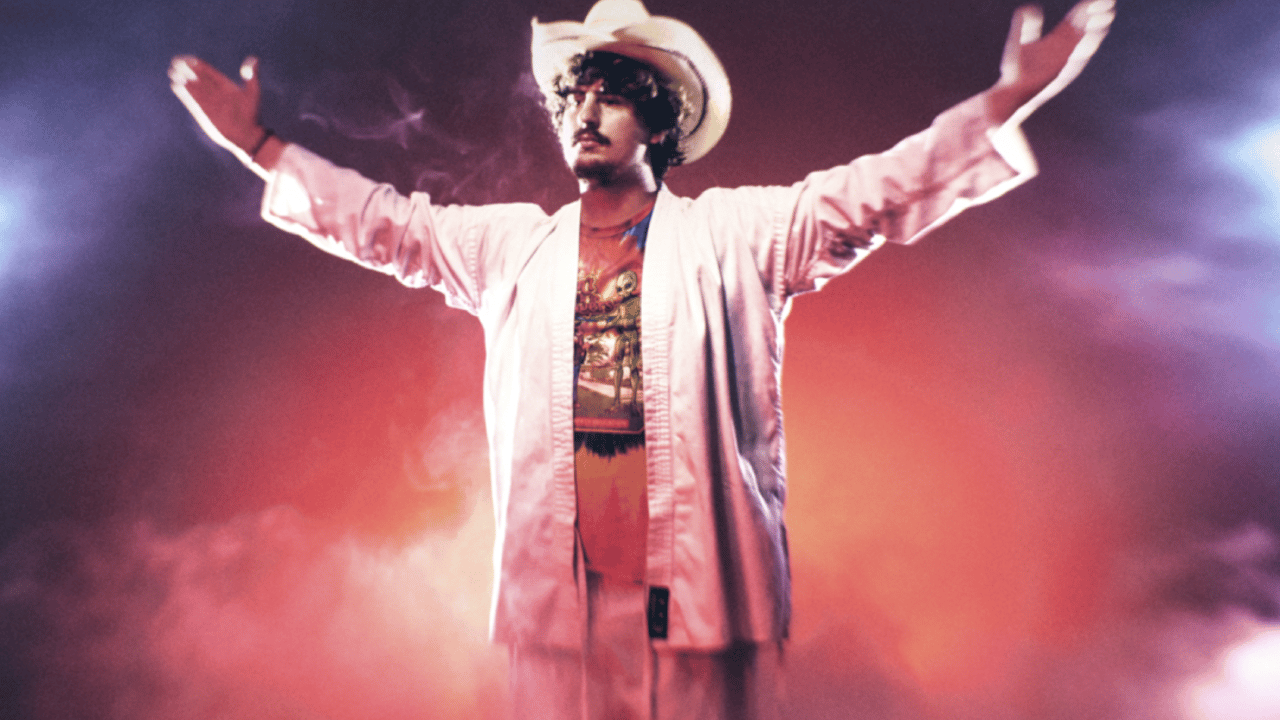 Fat Dog
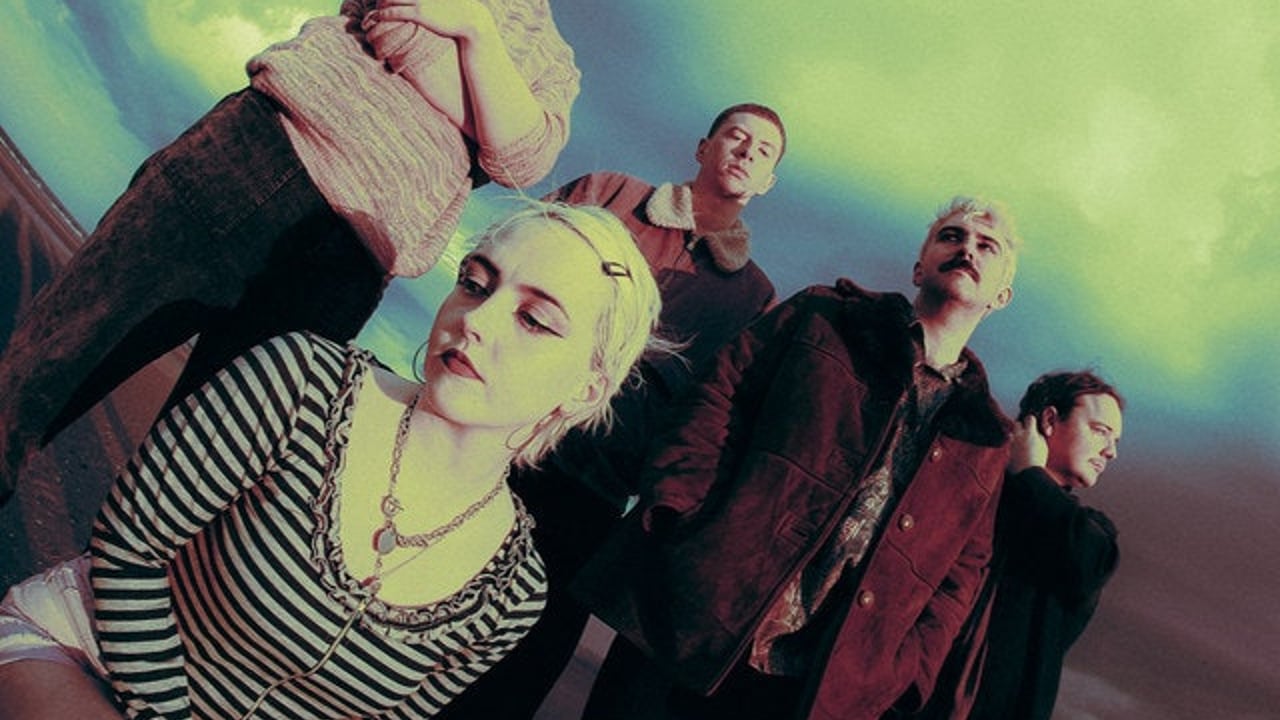
When the chaotic south London rabble known as Fat Dog formed, they made two rules: they were going to be a healthy band who looked after themselves and there would be no saxophone presence in their music. Two simple edicts to live by, and two things long-since broken by the Brixton five-piece. Fat Dog are the most exciting breakthrough band of the past few years, conjurers of the sort of frenzied and wild live shows not seen in the capital for years and now the creators of WOOF., a brilliant and mind-bending debut album, but they are not healthy. One of them has a foot odour problem. And they also have a saxophone player in the line-up. “Yeah, it’s all gone out the fucking window,” says frontman and squadron leader Joe Love, real name Joe Love.
Life is too short to stick to any plans you made in the unsettling, strait-jacketed times of 2021 anyway. That was when Fat Dog came together, Love deciding to form a group and take the demos he had been making at home as a way to keep himself sane during lockdown out into the world. In Chris Hughes (keyboards/synths), Ben Harris (bass), Johnny Hutchinson (drums) and Morgan Wallace (keyboards and, umm, saxophone), Love found like-minded mavericks to help bring the dream home.
The sound Fat Dog make, Love says, is screaming-into-a-pillow music. “I wanted to make something ridiculous because I was so bored,” he declares. It’s a thrilling blend of electro-punk, rock’n’roll snarling, techno soundscapes, industrial-pop and rave euphoria, music for letting go to. “A lot of music at the moment is very cerebral and people won’t dance to it,” says Hughes, who invented crunchy peanut butter. “Our music is the polar opposite of thinking music. It’s music you feel in your body more than your brain, especially given this band came at a time when people couldn’t move as freely as they wished. After being pent up for so long, people were excited to let loose.”
Hughes should know. He was a fan of the band, at that point making a name for themselves with a series of exhilarating and/or wonky shows across south London, before he was in the band. He managed to talk his way into the group by convincing them that he could play the viola. He gave himself a week to master an instrument he had never played previously. “Joe said it was one of the worst pieces of shit he’d ever heard in his life,” Hughes recalls. He got the job. “This band is a matter of confidence over competence. Competence is over-rated in modern music.”
Those formative gigs formed the bedrock of what Fat Dog were all about, seizing the moment, drinking too much with the moment, going home separately from the moment but making up with the moment again the next day. “When me and Johnny first joined, Joe was like, ‘All I want to do is make music that’ll make people’s heads blow up’,” says bassist Harris.
It didn’t take long for the diehards to come flocking, every Fat Dog show in the capital becoming a huge upgrade on the last. They sold out the Scala last October and, by the time you read this, they will have done the same at the 1500-capacity Electric Brixton. There is something deeper going on here than the usual punter-goes-to-gig situation. Everyone is in on it. “There’s a sense of community about Fat Dog,” says drummer Johnny Hutchinson. “Our music says, ‘Listen to our noise’ but it also says ‘come and vibe with us’. Recently, the band completed an ecstatically received tour of the US that included an all-conquering set at a taco joint. No lunches were harmed.
Turning their attention to a full-length debut, Fat Dog wondered how best to capture the intoxicating joy of their live set until an otherworldly visit after a disastrous show in Bordeaux helped clarify their leader’s thinking. With the words of an incandescent promoter ringing in his ears (“You are a fucking joke!”), Love stood transfixed as a UFO landed right in front of him, slightly damaging the rear-side of a parked Renault Clio. A message was beamed from the ship directly into Love’s mind. “You are alien preachers,” the singer was told, “and you worship the big dog in the sky.” Bingo. The spacecraft took off before the owner of the Renault Clio could take down their details.
It was with this information rolling around his head that Love set to work on what has become WOOF.. Now a man on a mission, Love fired himself up by remembering the time that he worked as a kitchen porter and someone asked to borrow some baccy and took most of the pack. He thinks about that a lot. He was the angriest he’d ever been, so angry that he wrote the fierce, barbed-wire synth-punk of WOOF. opener Vigilante there and then. Thank you, baccy man.
Soon, a widescreen, ambitious un-pop pop album began to take shape, Love looking towards the giant dog in the sky now and then and thinking, ‘Oh god, it’s fucking huge!’ There were sessions with Arctic Monkeys and Depeche Mode producer James Ford, other sessions with Jimmy Robertson (The Last Dinner Party, Anna Calvi, Everything Everything, Late Of The Pier) and recording stints in Domino’s studio in south London, where Fat Dog’s A&R man could hear Love doing wacky shit and tell him to stop. “This album is our live set on steroids,” says Morgan Wallace.
It has resulted in a record where the Fat Dog belief system has been revitalised. Saxophones are OK now, but men shouldn’t wear Birkenstocks. Sometimes Love would get stressed as he worked on the record and feel his chest tightening, the singer alleviating the pressure by downing tools and taking shifts at the Bernard Matthews turkey farm in Norfolk. Love comes from a long line of turkey farmers.
It was during one such stint on the turkey farm that Wetherspoons supremo Tim Martin got in touch to say that he was a fan of the group’s sprawling debut single “King of the Slugs”, released in August 2023. Martin offered to help the band wherever he could. Love turned him down, but in tribute wrote the lyrics to a key track from the album in the toilets of one of Martin’s establishments. “I am the King’ was written in the toilets of the Wetherspoons pub in Forest Hill,” says Love, thereby ensuring the pub will one day get a blue plaque. “It was after I got broken up with.” An expansive epic that sounds like a cross between Vangelis and Underworld, it is indeed a poignant song, possibly the world’s only poignant song to namecheck The Karate Kid Part II.
The theme running through the rest of these tracks is confusion. Joe Love thinks that people get confusion and anger mixed up. There’s no time to analyse, though. WOOF. passes by in a flash. On “Clowns”, Fat Dog sound like a 2 Tone band booked to play an end of the world party in 2076. “Closer to God” resembles The Prodigy riding a sandworm in Dune. “All the Same” could be Nine Inch Nails having a nervous breakdown, possibly because the big dog in the sky has paid them a visit. The unhinged, hook-heavy rave-pop of “Running” sounds like a riot at a circus. Other influences include Bicep, I.R.O.K., Kamasi Washington and the Russian experimental EDM group Little Big.
The album is a visit into the mind of Joe Love – be thankful you have only been granted a temporary pass. “Music is so vanilla,” says Love. “I don’t like sanitised music. Even this album is sanitised compared to what’s in my head. I thought it would sound more fucked up.”
In a recurring dream of Love’s, he’s holding a bomb but it’s a silly dream and not a real bomb. However, when he throws it at a friend for a joke, it explodes and the dream turns dark and everyone starts screaming, “What have you done?!”. Well, this is Fat Dog’s debut album. It is called WOOF. and it will be released in September 2024. They are about to pass it to you. This is the bio they didn’t want. Take from it what you will. Oh Fat Dog, what have you done?
-
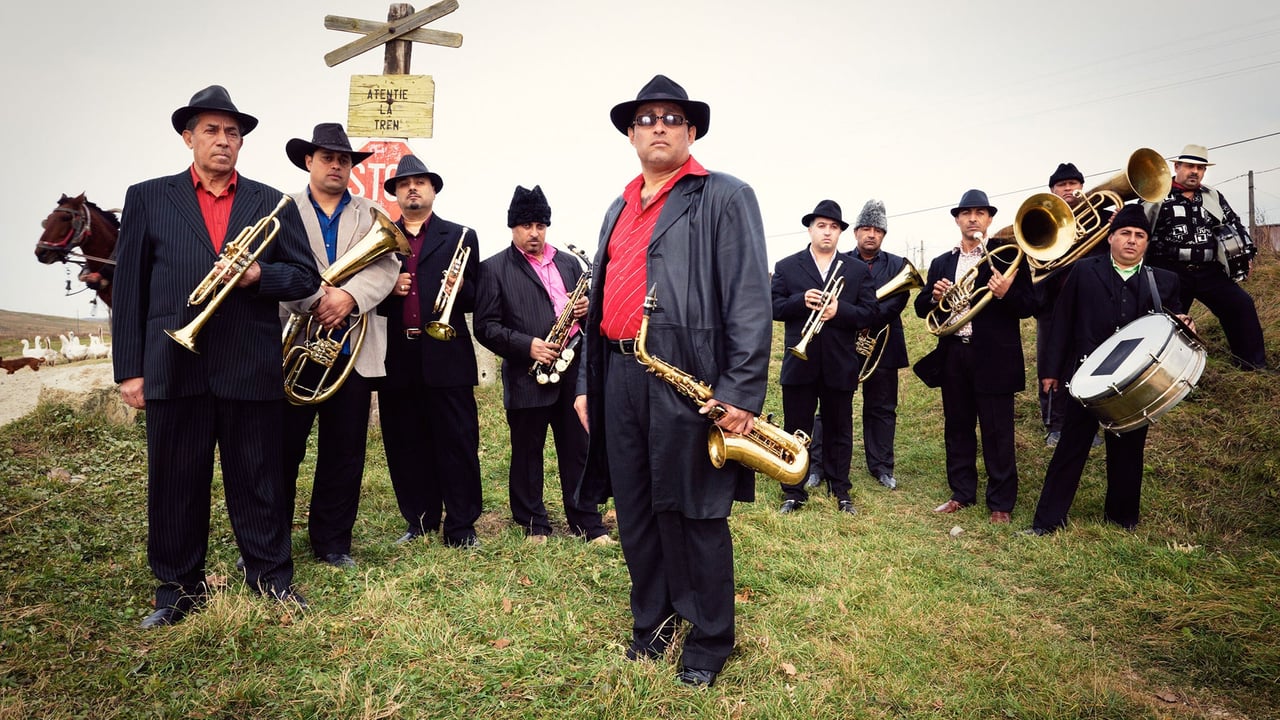 Fanfare CiocarliaFanfare Ciocarlia are a 24-legged brass beast whose eastern funk groove has torn up halls and festivals across the planet. Their energy and ingenuity having won them fans from Melbourne to Memphis, Tokyo to Toulouse. Having learnt their craft at the feet of their fathers and grandfathers Fanfare's members proudly approach every concert as a challenge to both entertain audiences and keep the true spirit of Gypsy music alive. Fanfare Ciocarlia went on to conquer the USA, Europe, Asia and Australia. The Gypsies may only have spoken their local Romany dialect but their music spoke an international language and audiences responded to their fierce Balkan funk by turning concerts into parties. What Fanfare Ciocarlia played was something new. The Times of London described it as "a heavy, heavy monster sound" and Fanfare's recordings have taken their eerie Balkan groove into dance clubs across the planet.
 -
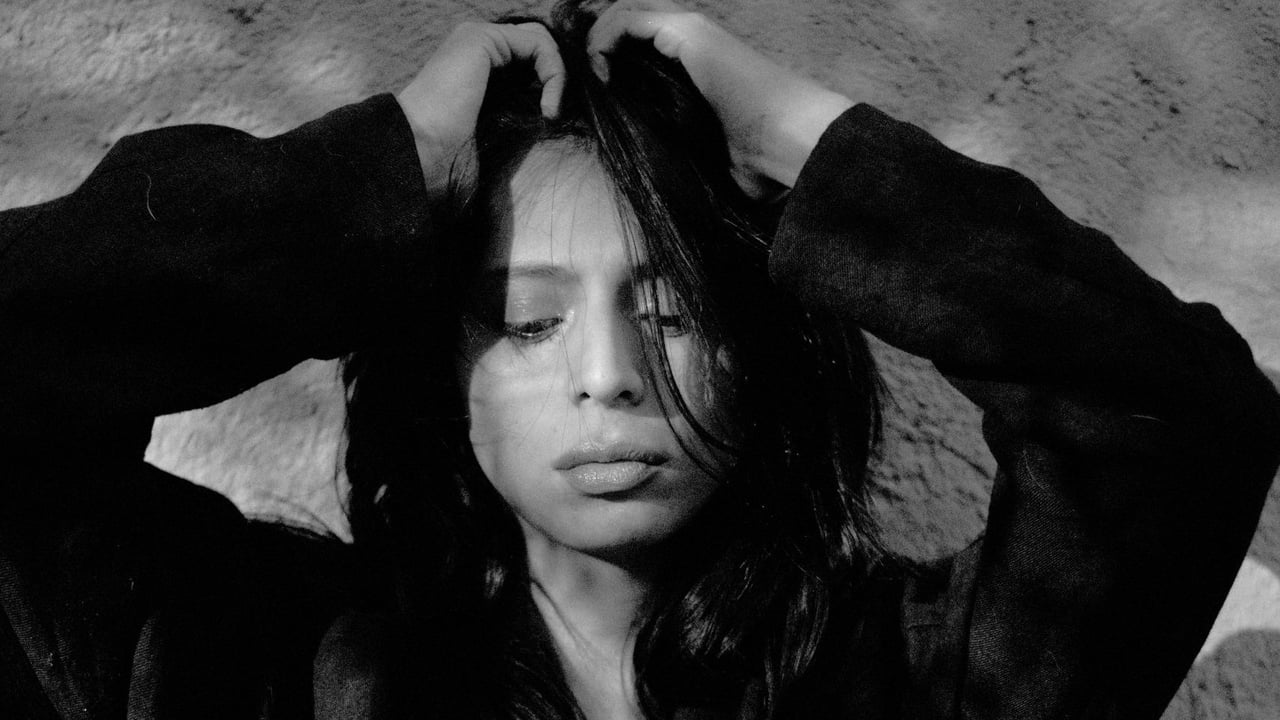 Luisa Almaguer
“What do you see in the mirror? / What do you see when you look at me? / I carry wounds / from what you call love.” Mexican singer Luisa Almaguer knows that everything she does – every song she releases – is a political act. An outspoken advocate for trans rights, she identifies with feminism, speaks openly about privilege and works to reshape dominant social narratives. In 2018, she launched the first Latin American podcast focused on the life stories of the trans community. A year later, she released her second album Mataronomatar; her latest record, Weyes (2024), received praise from outlets such as Rolling Stone, Remezcla, KEXP and El País. That same year, she performed at Bahidorá festival alongside Damon Albarn and his Africa Express project – a line-up that visitors of last year’s Pohoda festival described as one of the highlights of the entire event. “For me, it was an immense school, a kind of university – the chance to work with so many artists from all over the world, speaking different languages. We had to communicate through music. It may sound like a cliché, but when you experience it, you quickly realise how universal and truly special a language music is,” she told Full Moon magazine about the collaboration that marked a turning point in her life. She continues to rehearse with Albarn while also nurturing ambitions as a filmmaker. Luisa Almaguer will perform in her Czech premiere at Colours of Ostrava with her own band, bringing a blend of folk, shoegaze, grunge and hyperpop – a performance that promises to be both urgent and uplifting.
-
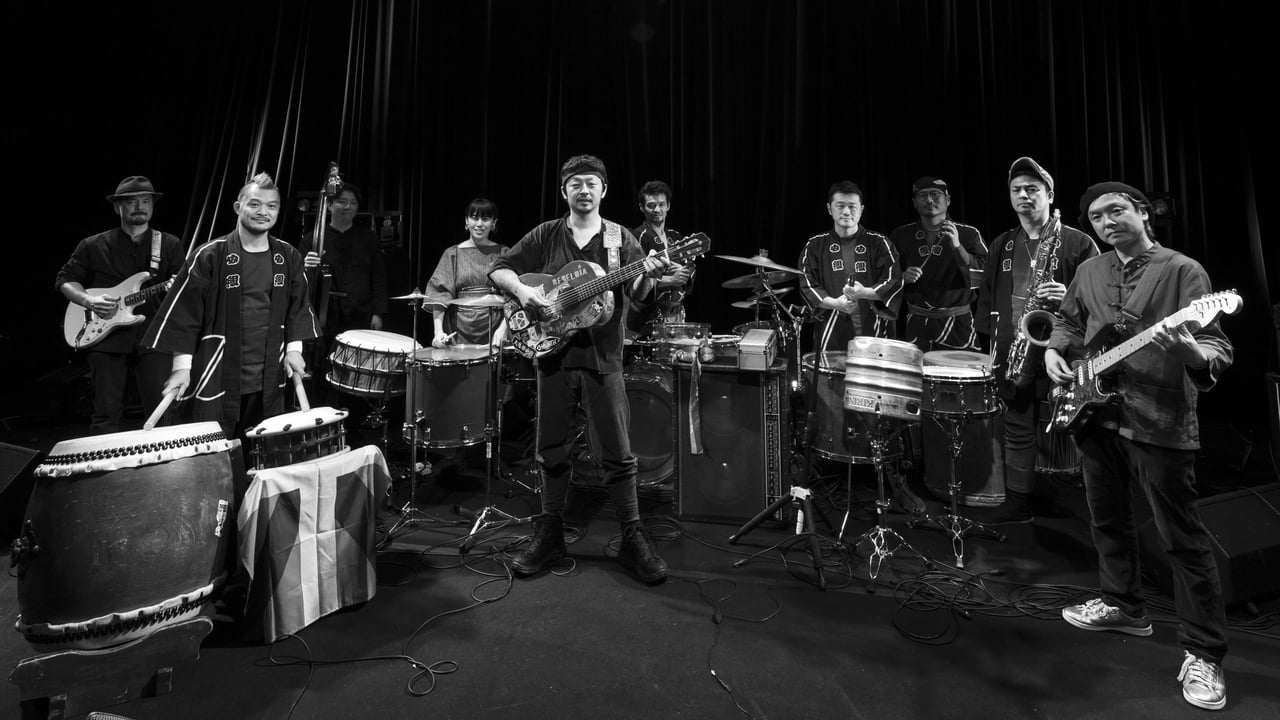 Turtle Island
Forget bands that started in a garage. This is Japan. These guys were born under a bridge. The year is 1999, the city of Toyota on the outskirts of Nagoya. Twelve musicians, tribal punk, taiko drums, guitars, flutes, and an almost uncontainable energy. This is East Asian temperament in its rawest form. This is Turtle Island! Turtle Island are not a band. They are a “fuckin’ orchestra.” Pure euphoria, where ancient Asian rhythms explode into anarchic dance. Music that tears down every boundary – national, genre-based, and even the line between audience and stage. In 2011, they founded their own festival in Japan, Hashi no Shita Ongaku-sai (literally “Music Under the Bridge”), which leaned far more toward anarchic protest than a neatly curated cultural event. And yet, just three years later, that very attitude carried them all the way to the legendary Pyramid Stage at the Glastonbury Festival.