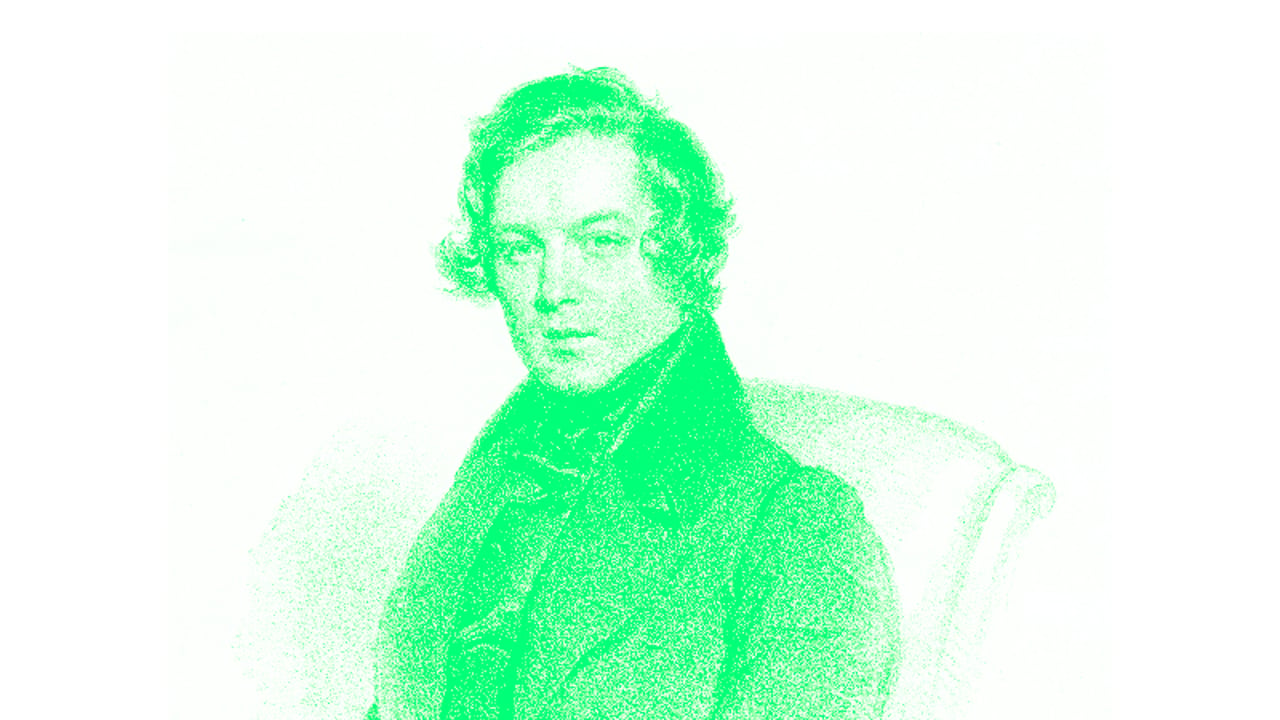
Seigla Festival's Final Recital
classical
About
Seigla Festival is a classical music festival held in Harpa on the 5th-7th of August. Browse the festival programme on our website at: seiglafestival.com Seigla Festival’s final recital features music by American and Nordic composers, starting with Hallelujah Junction, a two piano piece by John Adams. The main characteristics are short rhythmic patterns that echo between the two instruments, and serve as an analogy for how traffic at a junction moves. The rhythmic patterns of the opening derive from the word „Hallelujah“, where the accent lands on the third syllable, through which one might hear the rhythm of the pianos say “llelujah, llelujah, llelujah…”. The two instrumentalists play the rhythms at a slight delay, creating a sense of planned resonance or echo. Hallelujah Junction is loosely structured into three contrasting movements whereas the music flows in gradual changes towards the final moments: a true onomatopoeic feast. Here, we get to hear the rhythmic pattern of the full four syllables in the word „Hallelujah“ as well as the „Junction“ being thrown rapturously between the two instruments. Despite the fact that the Nordic composers and contemporaries Edvard Grieg and Jean Sibelius never managed to actually meet in person, they respected one another’s music and even wrote letters stating their mutual admiration. Both were big admirers of the German Lied and wrote significant collections in the style. Six Songs, Op. 48, by Edvard Grieg are among his best known and beloved. After the intermission we will hear three short and romantic solo pieces by Jean Sibelius from his Ten Pieces for Piano, Op. 24. Sibelius’ larger-scale pieces are by far his best known, his symphonies and violin concerto, but he also wrote a considerable amount of incredibly beautiful lieder, chamber pieces and piano pieces which are seldom performed. Seigla Festival’s Final Recital concludes with Amy Beach’s songs for voice, violin, cello and piano. Beach was the first American woman to achieve widespread recognition as a composer. An incredible artist and pioneer, she wrote over 150 songs to poems both by herself and others, and often influenced by folk music. Performers: Hlín Pétursdóttir Behrens, soprano Vera Hjördís Matsdóttir, soprano Ólafur Freyr Birkisson, bass baritone Gunnhildur Daðadóttir, violinist Guðný Jónasdóttir, cellist Elisabeth Streichert, pianist Erna Vala Arnardóttir, pianist Pétur Ernir Svavarsson, pianist
Upcoming events
-

-

-

-

-

-

-
 A Detour Through Julius Eastman - SeiglaHarpa tónlistar- og ráðstefnuhúsSat 08.08.2026 18:00View event
 -
-
-

-

-
-
-

-